Pattern Pulp

Around the Globe: Weaving Landscapes


1DTS3 DTS DTS2

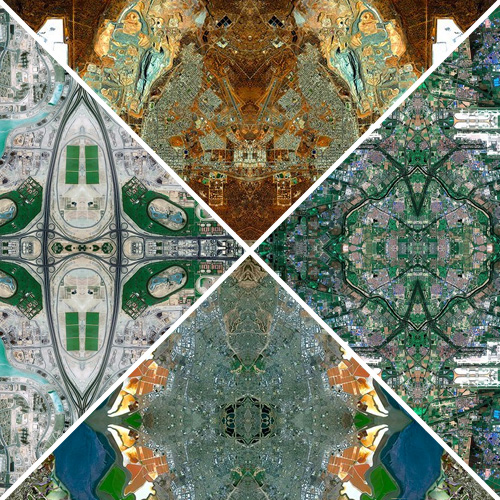
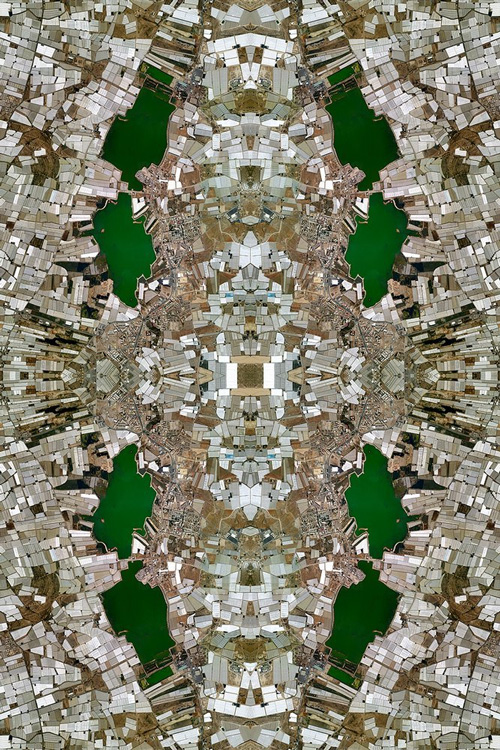
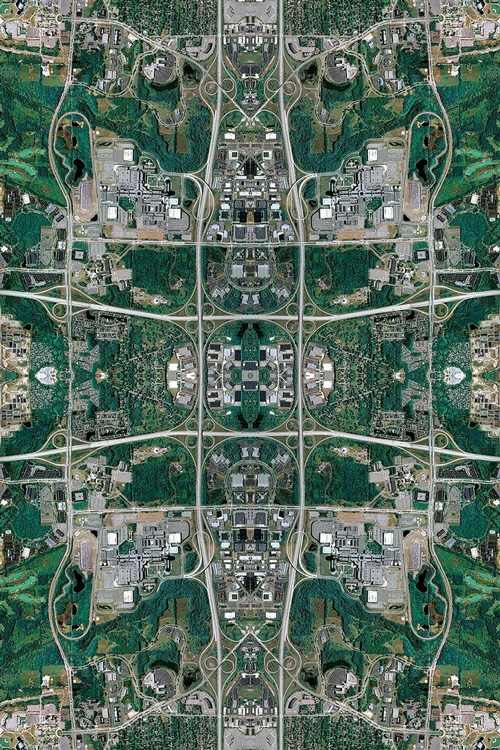
Afghani rug makers are known for weaving patterns that parallel the stories of their lives, often representing the war torn land which they are surrounded. Intrigued by this ancient  practice and rich storytelling tradition, photographic artist, David Thomas Smith decided to use a similar technique when examining how global landscapes have been affected by the activities of humanity.

Smith’s imagery is a composite of thousands of thumbnails extracted as screen grabs from Google Maps, reconstructed piece by piece using Photoshop. The results are compelling and similar to that of an ancient rug, reminding us that our landscape is a product of creation, reflecting on our society and culture, an art of sorts on it’s own. Click here for event info.

The Copper House Gallery: St Kevin’s Cottages, Synge Street, Dublin 8


The Magic of Recent Relics


thorton4thorton

Cruise through any form of media and you’ll notice an obsession with the past.  From #throwbackthursday and #nationalsiblingsday to any other communal hash tag, we all love a walk down memory lane. As the babies of the 70’s and 80’s find themselves getting married and having kids, balancing rising careers within the confines of the recession, there’s a wash of nostalgia and yearning for simpler times.

thorton2thorton3

We look back to the days when the Internet was in its infancy and social media didn’t yet weave through our lives, before iPhones and Google, before Wii and Playstation, when life was more “simple.” Pixels were big back then and we liked it that way, because that was The Future and in The Future, anything was possible – at least, that’s what we were told. In Hollis Brown Thorton’s The Land Between Solar Systems, he elevates our simple things, our recent relics of the past, into art. Click here for event info.

Linda Warren Gallery: 327 N. Aberdeen Suite 151, Chicago, IL. 60607


Masks: The Art of Identity


Smith2AfricaSmith2ParaguaySmithQueenKuba

Our identities are dictated by daily routine. Whether we’re playing around with makeup and creating abstract stories or focusing on history through an introspective lens, the concept of duality shines bright when we think of a mask’s role.

Jamaican born, Miami-raised Paul Anthony Smith draws inspiration from Jamacian culture and the African diaspora. Smith gives a nod to these traditional masks while simultaneously commenting on hierarchy and identity. By covering his characters with a unique glittery “picotage” technique and deliberate obscuration, he levels the playing field. His subjects are virtually invisible to the general public. Click here for event info.

Queen Mask | Kuba Mask | Paraguay Wooden Masks | African Wooden Masks

Zieher Smith: 516 W. 20th St. New York, NY 10011


Words of Wisdom


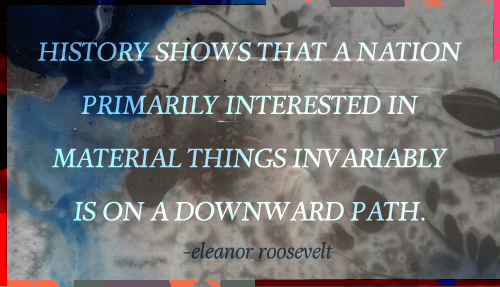
This past weekend I was in Rhode Island for my grandmother’s 96th birthday. I stayed in the bedroom I grew up in and invariably sifted through my teenage possessions. I came across a book of quotes gifted to me by my brother 15 years ago.

Most of the quotes are timeless and poignant and I thought it’d be nice to share them periodically. The words above by Eleanor Roosevelt are so true- in a time when Century 21 can replace a Barnes and Noble at the drop of a hat, we as a nation should be worried about our future and our priorities.


Repetition Elsewhere: Patterns of Science


Every time I start a new project I’m introduced to a cast of creative characters- all of whom I google (who doesn’t?!). This week a new project’s been added to the mix and with it comes some fun new faces and sites to explore. Don’t Not Look belongs to Ian Hall. Interestingly, I’m not certain if it’s the Ian Hall I’m working with or perhaps his doppelgänger, nonetheless, the photography, collage and art on the site is stunning, as is the accompanying blog.

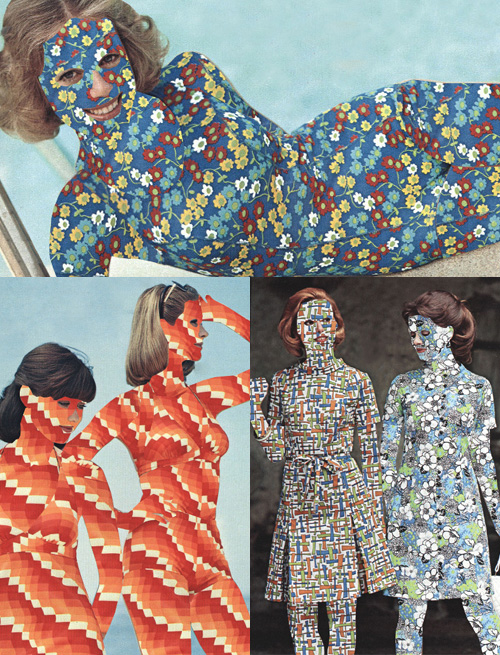
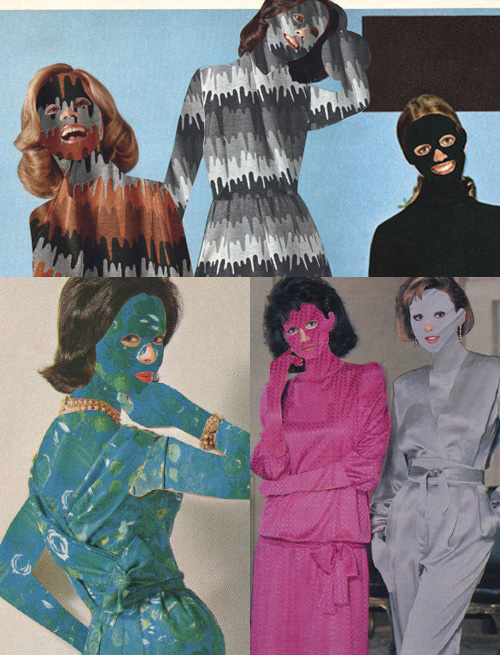
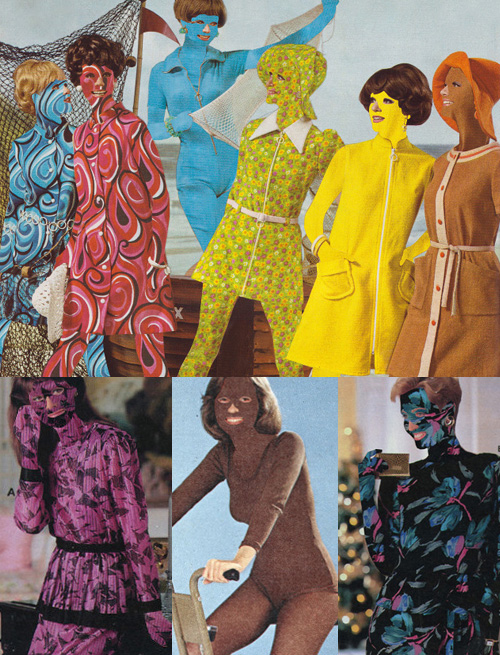
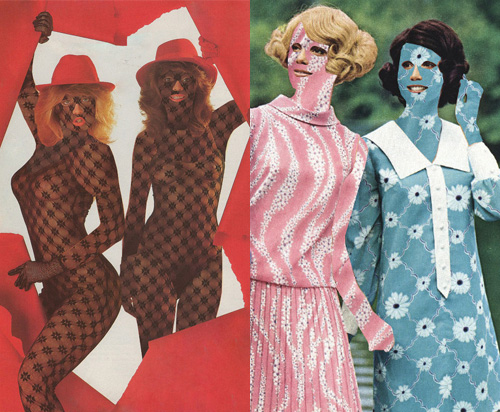
The latest feature on Patterns of Science is derived from a program created by the United Nations Educational, Scientific and Cultural Organization shortly after WWII. The goal was to promote cultural compassion and awareness in the hopes of thwarting further war and xenophobia.

This program encourages people to see the world as a joint community with common values. Using vintage catalog imagery, each fashion sprad presents a mashup of cultures through pattern.

While a clothing pattern is designed to make the wearer look and feel different, when it is expanded over a model’s exposed skin it instead represents the biological and emotional framework that we all share. 


Behind the Zines: Self-Publishing Culture


Social networks may dominate today‘s headlines, but they are not the only platform radically changing the way we communicate. Creatives such as designers, photographers, artists, researchers, and poets are disseminating information about themselves and their favorite subjects not via predefined media such as twitter or blogs, but through printed or other self-published projects—so-called zines. Those who publish zines are mostly interested in sole authorship, namely that all components including text, images, layout, typography, production, and distribution are firmly in the hands of one person or a small group.

With a cutting-edge selection of international examples, Behind the Zines introduces the broad range of zines that exists today. The book examines the key factors that distinguish various zines and introduces projects in which the printing process significantly influences aesthetics or in which limited distribution to a small, clearly defined target audience becomes part of the overall concept. Behind the Zines not only documents outstanding work, but also shows how the self-image of those who make zines impacts the scene as a whole.


Tracking Repetitive + Awesome.
On Instagram.