Pattern Pulp

Nigerian Nostalgia & African Hair Styles


1african book of style

I stumbled across Pop’Africana through the wonderful rabbit hole that is Instagram. 50 clicks later, I was on their Facebook page, thumbing through vintage imagery of African hair styles from the The Africana Book of Style: Vol I.

3african book of style5african book of style

Many of the designs were new to me, and all were breathtaking in the most complicated and intricate of ways. Much of the imagery appears to fall under the category, Nigerian Nostalgia, which showcases the lifestyle and customs of African women throughout history.


4african book of style
2african book of style

Much of the book was shot by JD Okhai Ojeikere, a Nigerian photographer born in 1930, and known for his work with unique hair styles. The the modern imagery is by Namsa Leuba, a younger photographer whose work focuses on African Identity through Western eyes.

7african book of style9african book of style

To learn more about Pop’Africana as well as Oroma Elewa, the Founder and Editor, check out her interview with IntotheGloss. She discusses her desire to share, spread and curate innovative fashion from Africa throughout the globe.


Masks: The Art of Identity


Smith2AfricaSmith2ParaguaySmithQueenKuba

Our identities are dictated by daily routine. Whether we’re playing around with makeup and creating abstract stories or focusing on history through an introspective lens, the concept of duality shines bright when we think of a mask’s role.

Jamaican born, Miami-raised Paul Anthony Smith draws inspiration from Jamacian culture and the African diaspora. Smith gives a nod to these traditional masks while simultaneously commenting on hierarchy and identity. By covering his characters with a unique glittery “picotage” technique and deliberate obscuration, he levels the playing field. His subjects are virtually invisible to the general public. Click here for event info.

Queen Mask | Kuba Mask | Paraguay Wooden Masks | African Wooden Masks

Zieher Smith: 516 W. 20th St. New York, NY 10011


Do Photo Restrictions Fuel Creativity?


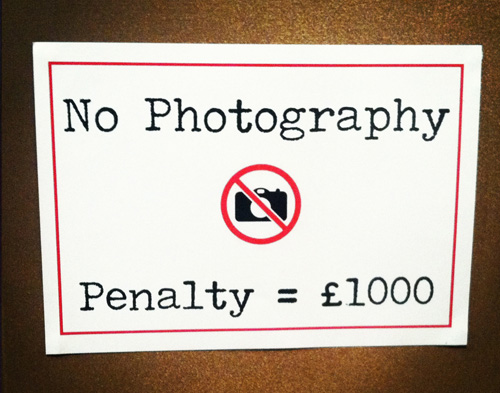
This sign felt like a dare. I had to snap it. Was it art? A threat? Both? It was hanging at the entrance of Selfridges’s holiday retail art and pop up shop last year. It’s relevant today, as it succinctly illustrates the ongoing battle between the creative world, it’s observers, inspiration, and the act of plagiarism.

How many times have you ignored a ‘no photo’ sign? It almost feels like you’re getting a pass when you snap an ‘amateur’ photo with a smart phone, rather than a professional camera. There’s no doubt about it, the landscape of photography has shifted, with more photos being taken than ever before in 2011 alone. For the creative class – or for anyone who considers themselves to be strongly visual – having such easy access to instant-gratification feels essential.

It used to be that sketchpads and a set of Staedtlers were the primary tools in our toolkit. However, now that we all carry cameras, the photo almost feels like the lazy man’s approach to memory. We’re all guilty, who wouldn’t want an authentic image of the thing that caught our eye, un-meddled by memory or drawing skills?
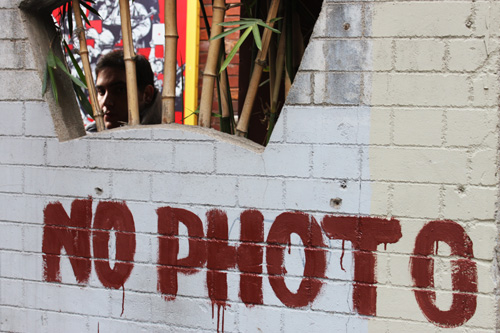
I shot this while in Shanghai last year. It almost seems a bit ironic, though the corredor of artists  were a refreshing bunch. So this leads me to ask, does the ease of smart phone photography fuel or hinder our creativity? Both perhaps? Does a photo intensify a memory or dilute the activity?

I don’t know about you, but I have some wonderfully lush memories and quickly drawn notes from events I had, at the time, desperately wished to photograph. For years, it broke my heart a little to not have pictures, but more recently I’ve realized that your imagination will never fail you and illustrating memories is a nice exercise for the brain.

As creatives, the issue almost seems a bit hypocritical.  While I don’t believe any of us would pass on the photographic progress we’ve made over the years, we’re more concerned than ever about credits and rights management of the work we’ve dedicated our lives to.  It’s no secret to anyone that social media that the lack of proper attribution, copyright infringement and outright theft has risen along with smart phone photography and the subsequent popularity of instagram, tumblr, Pinterest and the like. So, where do we draw the line? Would love to hear your thoughts.

Written by Shayna Kulik & Emily Gup

 

Book Review: High Touch


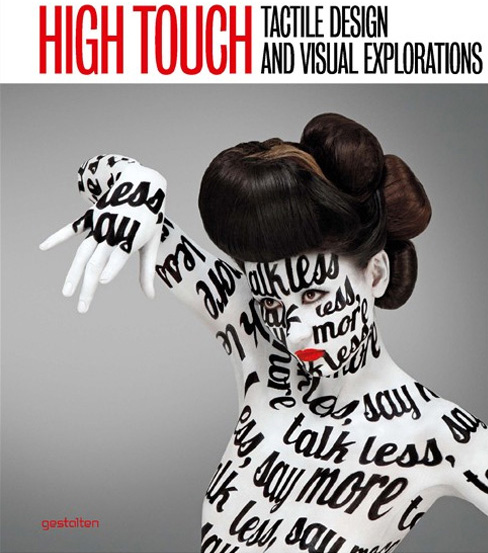
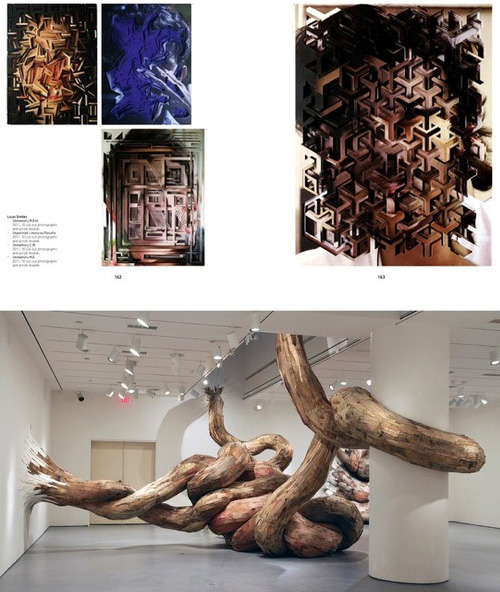
Today’s visual culture is shaped by a vast wealth of influences from a diverse range of styles, cultures, and eras. Handcrafts including crochet, papercraft, and the design of costumes and masks are being melded with the techniques of more traditional art forms such as installation, sculpture, collage, photography, and illustration.

This new visual language is currently being formed out of the skillful and unusual combination of creative styles, as well as the use of an expanded range of materials and techniques. One of the most striking aspects of today’s visual culture is its intricate, handcrafted quality.

The term “high touch” is used in design theory to describe an accessible, human visuality. High Touch the book is a compilation of current work that is broadening and enriching this definition in a contemporary way.

Presenting a rich selection of innovative, often handmade design created with the full spectrum of materials and stylistic devices in existence today, the book explores all of the many ways artists are expanding this palette of visual possibilities. We’re excited to see so many of the fantastic design and art projects we’ve documented here on Pattern Pulp in the pages of this eye-catching book.


Book Review: Women Are Heroes


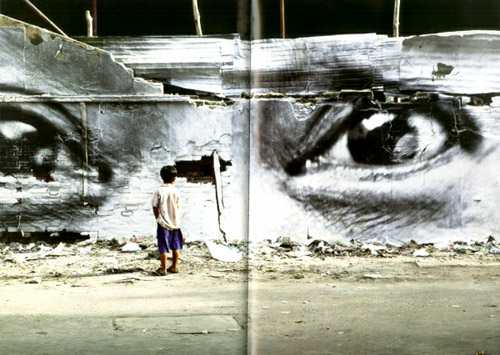
Guerilla street artist JR creates unique and eye-catching “Pervasive Art” that spreads uninvited on the buildings of the slums around Paris, on the walls in the Middle-East, on the broken bridges in Africa and throughout favelas in Brazil.

In 2008, JR embarked on a lengthy international trip around the world for his Women are Heroes project. Heading to Sierra Leone, Liberia, Sudan, Kenya, Brazil, India, and Cambodia, JR sought out women struggling in their everyday lives. Pasting mural-size portraits of his subjects into their own communities—on the sides of buildings, on trains, on bridges—he brings a haunting human presence to harsh environments of social conflict.

His photographs have become vast outdoor exhibitions and celebrate each individual. A beautifully illustrated account of this remarkable project, Women Are Heroes introduces JR’s thrilling imagery of the modern landscape, pick it up today! Additional photos via Juxtapoz


Life Advice from Stefan Ruiz


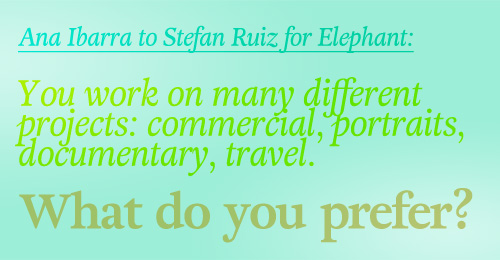
I recently picked up a copy of Elephant Magazine, and lost hours of my day in a coffee shop glued to the editorial. Ana Inarra’s interviews are particularly interesting. Here’s a small excerpt from her Q&A with photographer, Stefan Ruiz. As a freelancer, I can relate to his response and believe many of you will too. Here’s an excerpt, you can read the article in full here:

…I prefer working on personal projects for the obvious reason, but finding a balance is difficult. There are constant interruptions. I often have to stop everything to go off on a job. It may take me weeks or months to get back to what I was working on before I went away.

I do commercial work to support myself and to fund my projects. But that’s not the only reason I do it. I wouldn’t like to do only personal projects. Commercial work has given me a lot of access to people and places, and it has exposed me to things that I probably would have never seen…Also with commercial work you have time limitations and deadlines. This teaches you to focus and work fast. 

My personal projects can go on forever. I’m trying to learn from my commercial work about finishing things. And finally many of my personal projects have started from something that I was exposed to on a commercial job.


Tracking Repetitive + Awesome.
On Instagram.